




Eight children between the ages of one and 14 were reportedly killed early Sunday in a mass shooting across three locations in Shreveport, Louisiana, in what police are describing as a domestic disturbance of a scale they have never encountered. The suspected shooter was reportedly killed hours later by police during a vehicle pursuit into neighboring Bossier City.
Police Chief Wayne Smith reportedly said 10 people in total were shot beginning around 6am local time, with some of the child victims related to the suspect, according to reporting by Al Jazeera citing AP and local officials. No officers were injured in the pursuit that ended with the suspect fatally shot.
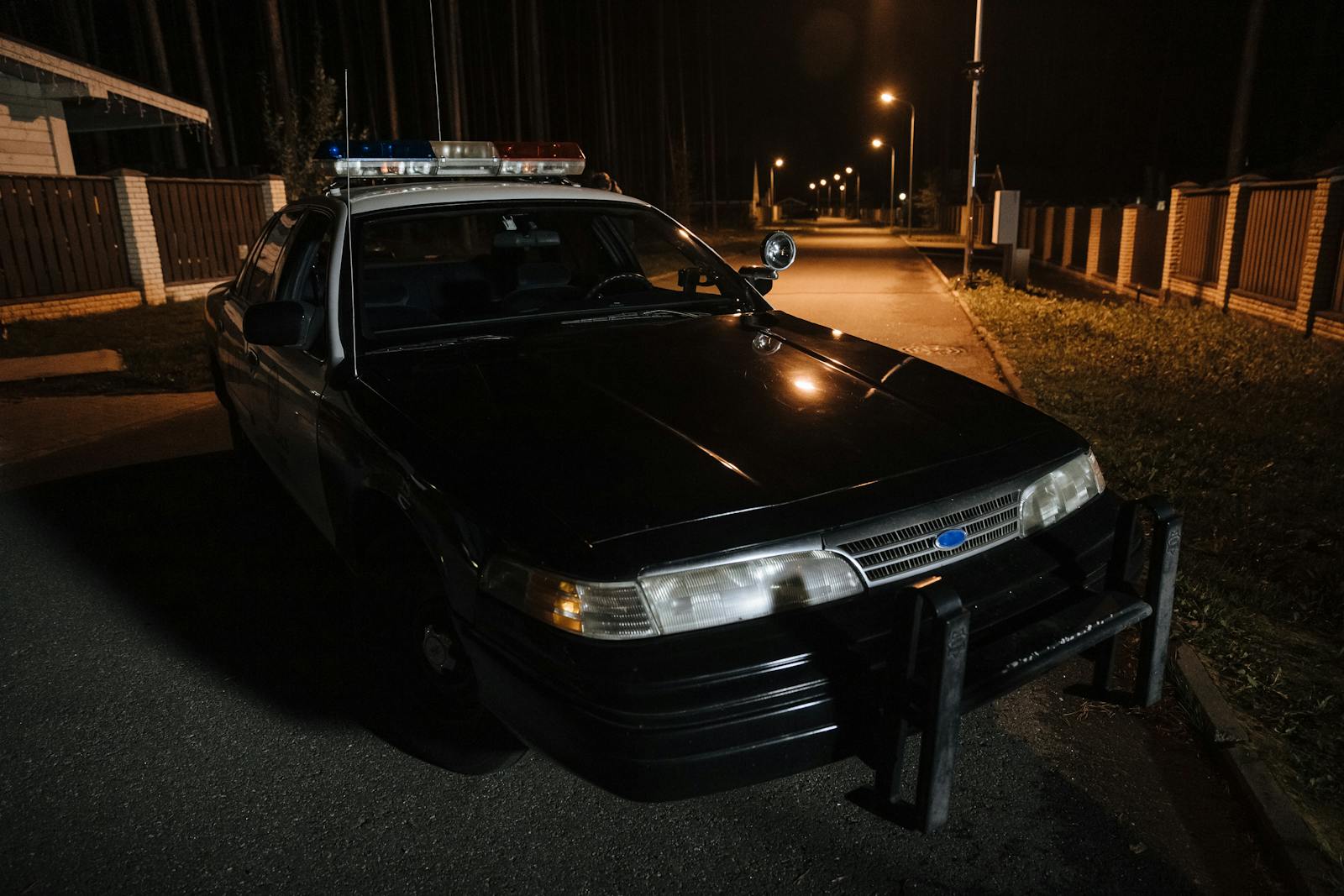
What Police Say Happened
The incident reportedly unfolded across three separate crime scenes in Shreveport, a city in northwest Louisiana. Smith characterized the scope of the event as something outside the experience of his department.
Officials in Shreveport characterized the scene as extensive and unusual for the department.
Louisiana State Police reportedly confirmed that the pursuit crossed the Red River into Bossier City, where officers engaged the suspect. The identities of the victims and the suspect have not been publicly released. Investigators have not disclosed the weapon or weapons used, and the motive beyond the domestic designation remains unclear.
A Category of Violence That Rarely Gets Named
Sunday’s killings sit at the intersection of two phenomena that American policy discussions usually treat separately: mass shootings and domestic violence. The overlap is neither small nor incidental.
Research into mass shootings in the United States has found that incidents tied to domestic violence represent a significant portion of cases. Those cases were also dramatically more lethal than other categories, as reported by The Guardian.
The pattern visible in Shreveport, an adult shooter, multiple child victims, family relationships between attacker and victims, is statistically consistent with that research. It is also the kind of incident that tends to disappear from the national conversation within days, even when the child death toll is high.
Why These Shootings Escape National Debate
Public discussion of mass shootings in the United States tends to orbit a narrow set of cases: planned attacks on schools, houses of worship, workplaces, and public venues. Journalists who track mass shootings have argued for years that conflating those planned massacres with the far larger pool of multi-victim shootings tied to arguments, gang disputes, or domestic violence confuses the policy debate.
The counterargument, made by advocates who work in affected neighborhoods, is that the narrower definition renders most American gun death invisible. Research has found that mass shootings disproportionately occur in areas with higher-than-average poverty rates, and that black Americans remain significantly more likely than white Americans to die from gun violence.
Domestic mass shootings fall awkwardly between these two framings. They are not the targeted public attacks that dominate cable news. They are also not the street-level shootings that drive the everyday gun death statistics. They happen inside homes, to family members, and the shooter is often dead by the time reporters arrive.
The Child Victim Problem
Eight children killed in a single domestic incident is an extreme figure by any measure. Mass casualty events with child victims of this age range, one to 14, are rare even within the broader category of domestic mass shootings. The one-year-old victim in particular underlines how little protection the domestic sphere affords when a firearm is present and a caregiver becomes the threat.
Federal law has restricted firearm purchases by people subject to certain domestic violence protective orders, and recent legislation has expanded those restrictions to include some dating partners. Enforcement remains uneven across states, and whether any such order existed in this case has not been reported.
What Remains Unknown
Several basic facts have not yet been confirmed by Shreveport police or Louisiana State Police. The relationship between the suspect and each victim, the sequence of the three crime scenes, how the shooter was identified and tracked to Bossier City, and whether there were prior law enforcement contacts with the suspect or the affected families are all open questions.
News organizations have been tracking the investigation, with follow-up reporting expected. Louisiana State Police said the officer-involved shooting at the end of the pursuit will be investigated separately, standard procedure for in-custody and police-involved fatalities in the state.
A Familiar Pattern, an Unfamiliar Toll
The structural features of Sunday’s event are recognizable. A domestic dispute. A firearm. Multiple locations as the shooter moves between family members. A police pursuit. A suspect killed before he can be questioned.
What makes the Shreveport case unusual is the number. Eight dead children in a single domestic incident is the kind of figure that, in a different category of mass shooting, would trigger weeks of national political response. Whether this one does will depend on forces that have little to do with the victims themselves, and a great deal to do with which stories the American gun debate is currently prepared to hear.
Police Chief Smith’s description of the scene as unlike anything his officers had seen is, on the available evidence, accurate. It is also, on the available research, a description that quietly fits a category of American violence that the country has long known about and chosen, mostly, not to address.
Photo by cottonbro studio on Pexels