
Mark Zuckerberg’s company just made one of the most unusual energy deals in tech history. On April 27, Meta announced a first-of-its-kind agreement to source up to one gigawatt of electricity from satellites in geosynchronous orbit, energy that will eventually flow to the AI data centers that increasingly define its business.
The partner is Overview Energy, a four-year-old startup based in Ashburn, Virginia that only emerged from stealth last December. As we have previously reported, the deal gives Meta early access to capacity from a planned constellation of solar-collecting spacecraft, with an initial in-orbit demonstration in 2028 and commercial power delivery beginning as soon as 2030.
The size of the deal makes the headline. One gigawatt is roughly what a single nuclear reactor produces, and Meta is the first hyperscaler to publicly lock in space-based solar at that scale.
How beaming solar from orbit actually works
The basic idea is older than most space-tech people realize. Engineers have been pitching space-based solar power for more than half a century. What is new is that costs and components have finally caught up with the concept.
Overview Energy’s approach is unusual in two ways. First, it parks its satellites in geosynchronous orbit, roughly 22,000 miles up, where they sit in unbroken sunlight 24 hours a day. Second, instead of using microwaves and dedicated rectenna arrays, it uses wide-beam near-infrared lasers aimed at existing solar farms on Earth, according to TechCrunch.
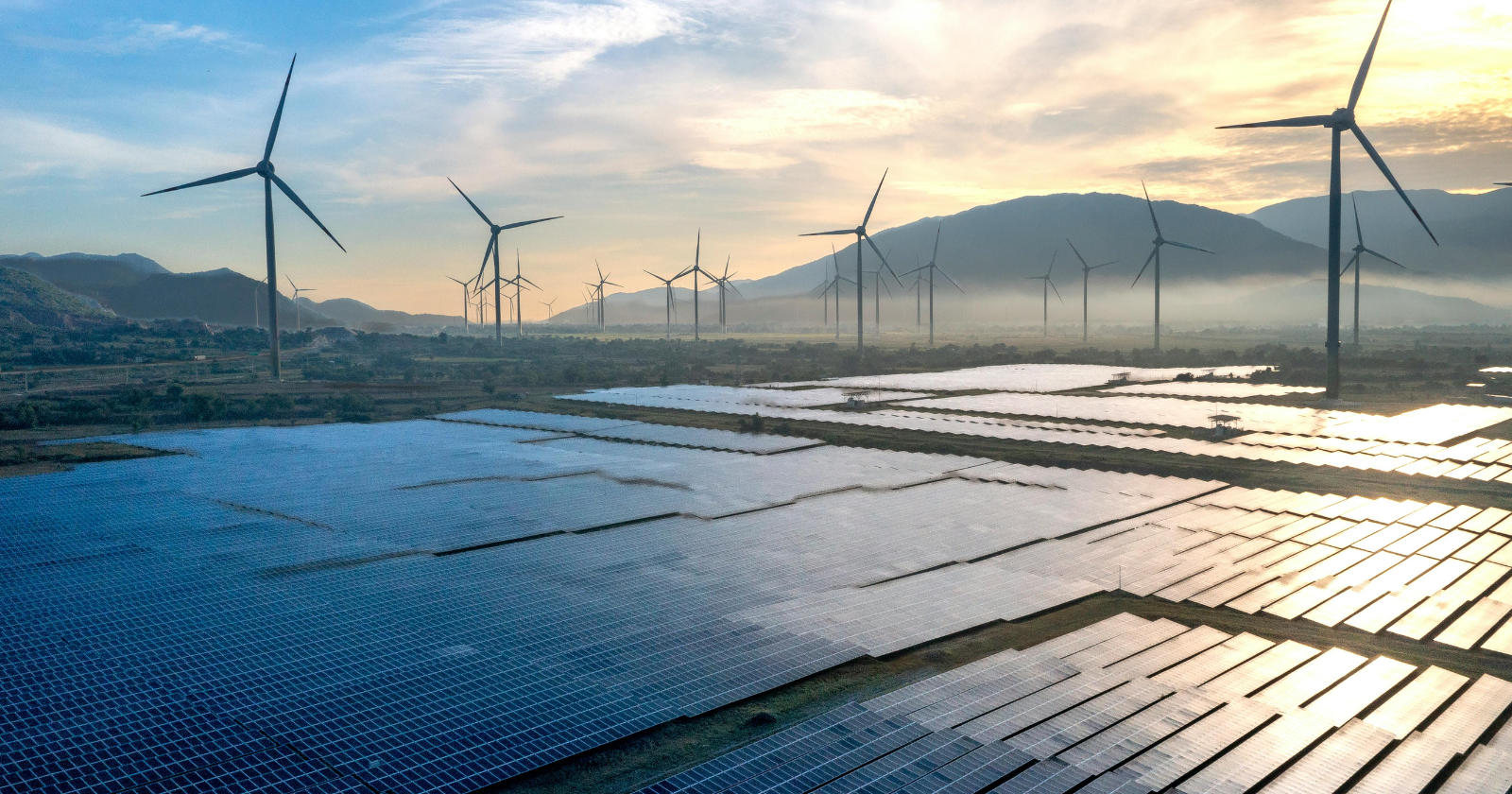
The clever bit is that ordinary solar panels can convert that infrared light into electricity. So instead of building expensive new receiving infrastructure, Overview essentially turns night into daylight for solar plants that already exist. A solar farm that normally sits idle from sundown to sunrise can keep generating power, just from a different sun.
The company has already proven the basic physics. In November 2025, Overview transmitted thousands of watts of power from an aircraft flying at 5,000 meters altitude to a receiver on the ground, as we have covered. Former NASA Administrator Mike Griffin, who is advising the company, has called it the first space solar concept he has seen in 48 years that he thinks might actually work.
Why Meta is going to orbit
The reason is brutally simple. AI is eating electricity at a pace that nobody planned for.
Meta’s data centers consumed more than 18,000 gigawatt-hours of electricity in 2024, enough to power roughly 1.7 million American homes for a year. The company has committed to building out 30 gigawatts of renewable generation, but terrestrial solar has a structural problem the AI workload exposes brutally. It only generates during the day, and the grids most data centers connect to are increasingly choked with backlogged interconnection requests.
Meta has been aggressively diversifying its supply, signing nuclear deals with Vistra, Oklo, and TerraPower, locking in geothermal contracts, and on the same day as the Overview announcement, agreeing to buy 100 gigawatt-hours of energy storage from Noon Energy. Space-based solar is one more bet, and arguably the most speculative one in the portfolio.
Nat Sahlstrom, Meta’s vice president of energy and sustainability, framed the deal as a way to stretch existing solar assets further. He called space solar a “transformative step forward by leveraging existing terrestrial infrastructure,” in a statement carried in the official announcement.
The economics behind the bet
The cost case is more interesting than the marketing copy suggests. Orbital arrays can produce roughly five times the energy yield of terrestrial systems by operating around the clock and avoiding atmospheric attenuation, pv magazine USA noted. Eliminating the day-night cycle alone changes the math significantly when you are trying to feed a 24/7 AI training run.
Overview plans to launch its first low Earth orbit demonstration on SpaceX’s Bandwagon-7 rideshare mission in early 2028. Commercial geosynchronous spacecraft would follow in 2030, with each satellite designed to deliver at least one megawatt and remain operational for more than a decade. The eventual constellation is targeted at around 1,000 spacecraft covering roughly a third of the planet, initially serving the corridor from the U.S. West Coast across to Western Europe.
The hurdles are still significant
It is worth being honest about what could go wrong. Near-infrared lasers cannot penetrate clouds, which is why Overview plans to work with a network of geographically distributed receivers so at least one is always clear. End-to-end efficiency is also unproven at scale. Every conversion step, sunlight to laser to electricity, sheds power, and if the round-trip losses are too high, the orbital advantage evaporates.
Cost is the bigger question. It remains significantly cheaper to build solar panels on Earth than to launch them, and the entire pitch depends on launch costs continuing their downward trend. A scaled-up Overview constellation also assumes regulators are comfortable with near-infrared beams pointed at populated areas, even if the company says the energy density is low enough to be passively safe.
Competition is closing in fast as well. California-based Aetherflux, founded by Robinhood co-founder Baiju Bhatt, has raised $60 million and is also pursuing a laser-based system. UK-based Space Solar is developing a microwave-based system funded in part by the UK Space Agency. Caltech demonstrated wireless power transmission from space back in 2023. China has announced plans for a one-kilometer orbital solar station of its own.
A new piece of the AI infrastructure stack
Zoom out, and what Meta did is buy itself optionality. If Overview executes, Meta gets clean power that flows around the clock and bypasses the grid bottlenecks throttling its rivals. If Overview slips or fails, Meta loses very little, since the agreement is a capacity reservation rather than a financial commitment of disclosed size.
The deal also signals where the AI build-out is heading. Blue Origin recently filed plans for up to 51,600 orbital data center satellites, citing always-on solar as a key motivation. Starcloud raised $170 million in March on a similar pitch involving up to 88,000 satellites. Overview is making the opposite bet: keep the data centers on the ground where they can be maintained, and put the power source in space where the sunlight never stops.
Either way, the AI build-out has officially escaped the atmosphere. Meta just gave it a one-gigawatt push.